
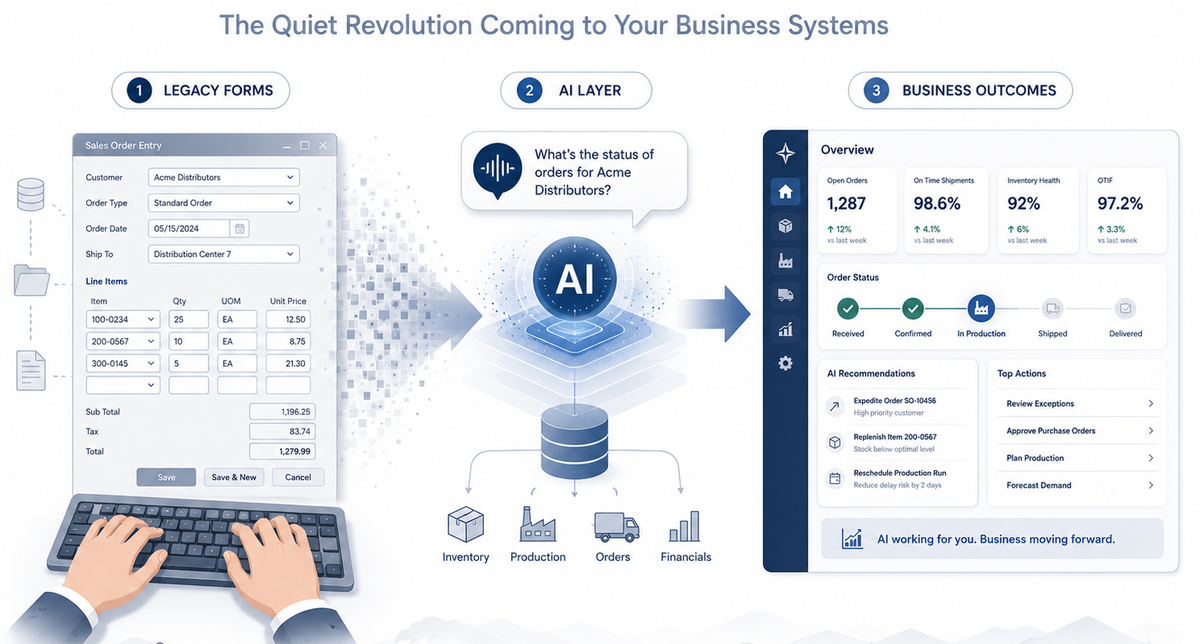
Learn how AI is changing ERP from form-based systems to intelligent platforms that improve workflows, reporting, decision-making, and operational efficiency.
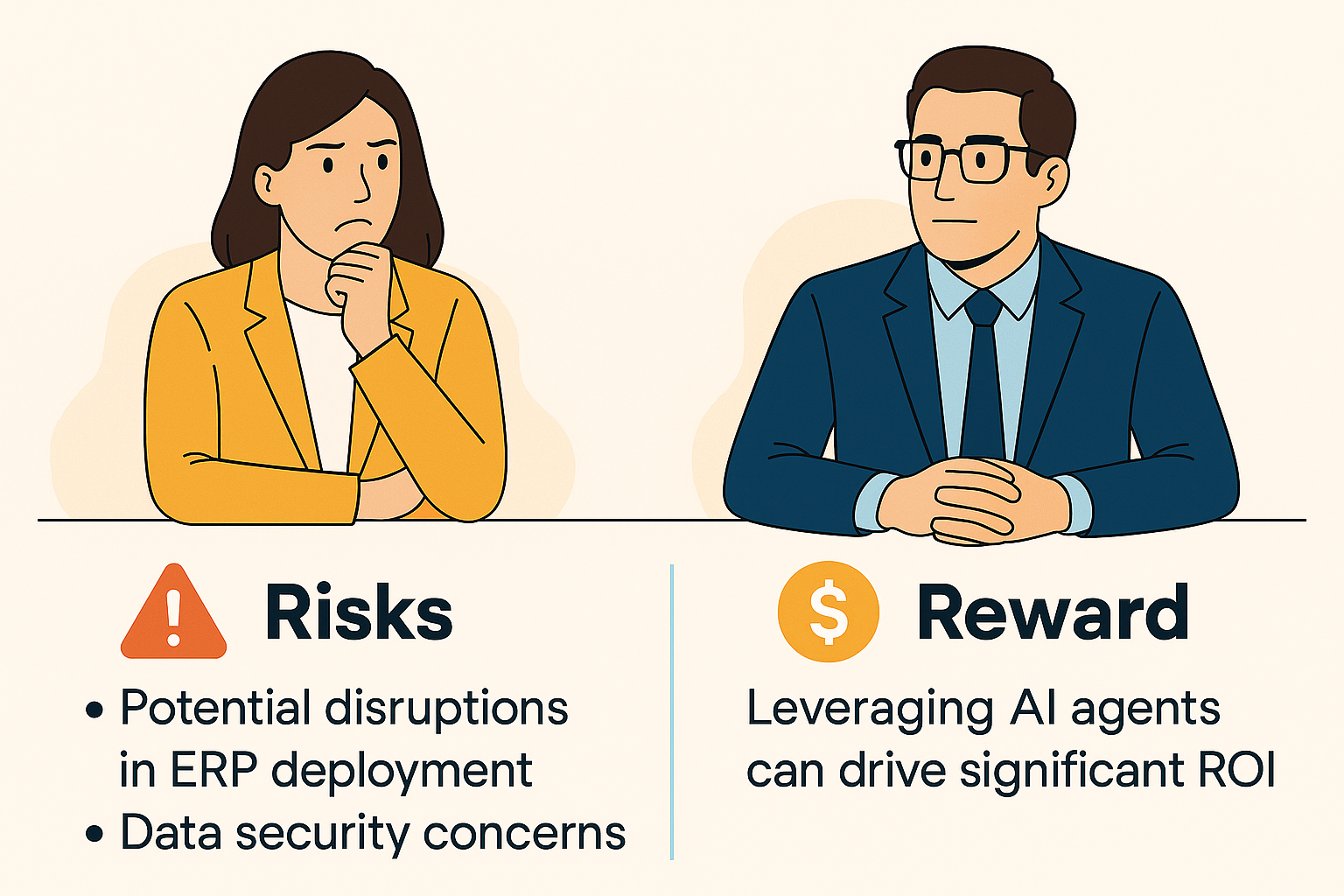
Quarterly updates to Microsoft Dynamics 365 Finance & Supply Chain Management (FSCM) are both a blessing and a burden. On one hand, they deliver innovation, security, and compliance. On the other, they introduce operational risk, testing overhead, and change fatigue. The key to turning these updates into a competitive advantage lies in reframing them not as disruptions to endure, but as opportunities to adopt the new AI Agents Microsoft is rolling out across 2025. At Pelorus Technology , we help organizations navigate this balance through our Strategic Risk Assessment and Alignment Launchpad . This structured service uses modern AI analysis tools to map your actual usage patterns against the risks and rewards of each quarterly release.

Artificial Intelligence is no longer a buzzword—it’s a business imperative. In the world of ERP and CRM, AI is transforming how companies operate, engage customers, and drive profitability. Microsoft has embedded AI deeply into Dynamics 365, offering both Generative AI tools like Copilot and Agentic AI solutions that automate entire workflows. In this post, we’ll explore: How Copilot helps users find data faster and respond to queries with precision Why Agentic AI agents are revolutionizing operations across sales, service, finance, and supply chain Real-world examples of companies achieving measurable ROI How Pelorus Technology’s Strategic AI Alignment Service helps businesses deploy AI with purpose

Every quarter, Microsoft releases a flood of updates for Dynamics 365 ERP and CRM systems. These updates promise innovation, security, and compliance—but for many organizations, they also bring confusion, disruption, and stress. If you’ve ever stared at a release wave document wondering, “Which of these features matter to us? Which ones are mandatory? How do we train our teams before everything changes?” —you’re not alone. In this post, we’ll break down: How Microsoft schedules and releases updates Which features are mandatory vs. optional Why ignoring updates is risky Best practices for managing updates without losing your mind How Pelorus Technology’s Strategic Update Alignment Service turns this challenge into a competitive advantage

Discover the hidden ERP security risks of on-premise systems and learn how Microsoft Dynamics 365 Business Central strengthens protection, compliance, and resilience.

Legacy systems weren’t built for modern growth. This post explores how Cloud ERP with Business Central gives SMBs the flexibility, visibility, and scalability they need—without the cost and complexity of outdated tools.

Planning a Business Central migration? Learn key steps, avoid common pitfalls, and get real-world guidance to ensure your ERP project stays on track.
When organisations are looking at a new ERP solution, Dynamics 365 Business Central (BC), is often evaluated alongside Microsoft’s other ERP offering, Dynamics 365 Finance and Supply Chain Management (F&SCM), with various decision factors coming into play. Selecting the right ERP solution is critical for meeting your future business needs. Unfortunately, Business Central is sometimes unfairly overlooked due to misconceptions that it lacks the advanced capabilities of its Microsoft counterpart. In the article below, Emma Wright, Director of Product Management at Seer 365, dispels the top five myths surrounding Business Central. So, whether you’re an organisation weighing up your future ERP solution options, or you work for a Microsoft partner implementing either of Microsoft’s ERP offerings, we would encourage you to read on. Over the years, I have worked with several partners that sell and implement both Microsoft’s Business Central and Finance and Supply Chain Management (F&SCM) ERP solutions. As a Business Central specialist, I have often found myself defending its capabilities when it is compared against its Microsoft brother. Many professionals with a F&SCM background tend to underestimate Business Central. In this article, I will address some of the most common misconceptions and myths about the solution that I have encountered over my 20+ years in the industry.

Need help preparing your fit-gap analysis for Business Central?
Talk to our team at Pelorus Technology today. We’ll show you how our approach and GYDE365 guarantee a successful project and give you the clarity, confidence, and momentum you need!